
21 Sep, 2026
Jeep Safari in Panna National Park – Complete Guide
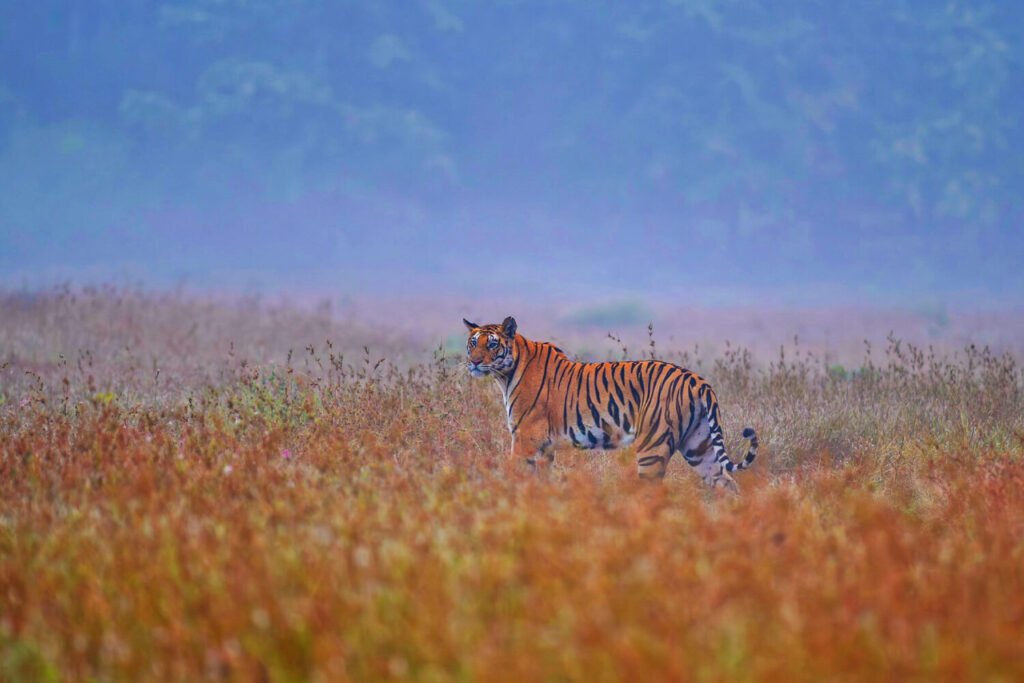
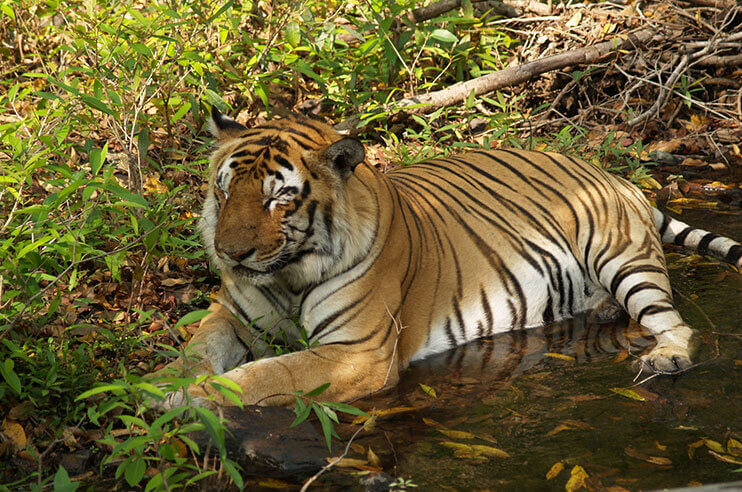
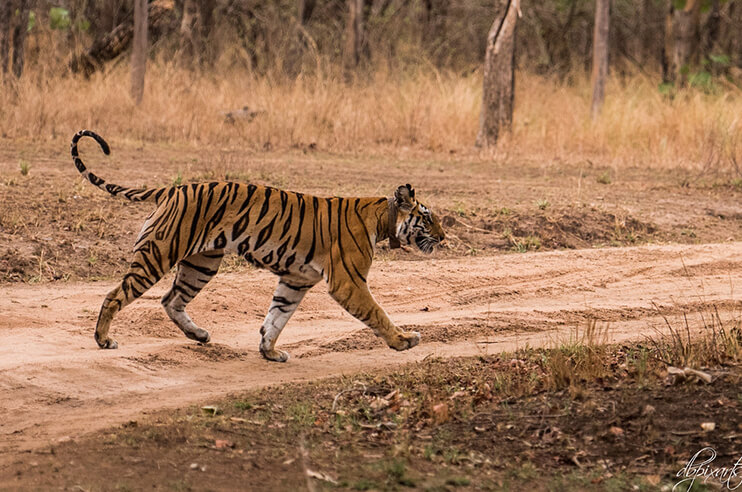
Panna National Park, spread across the Panna and Chhatarpur districts of Madhya Pradesh, is one of central India’s most distinctive tiger reserves. Established as a national park in 1981 and declared India’s 22nd tiger reserve in 1994, it covers roughly 543 square kilometers of the Vindhya range. The Ken River cuts through sandstone plateaus to form gorges, waterfalls, and deep pools, giving Panna a landscape that combines dry deciduous forest, rocky escarpments, and open grassland. A jeep safari here lets wildlife enthusiasts, birders, and photographers cover this varied terrain across a single drive. Wildlife sightings are never guaranteed, but the reserve supports tigers, leopards, sloth bears, gharials, marsh crocodiles, vultures, and over 300 bird species.
What Makes a Panna Jeep Safari Special?
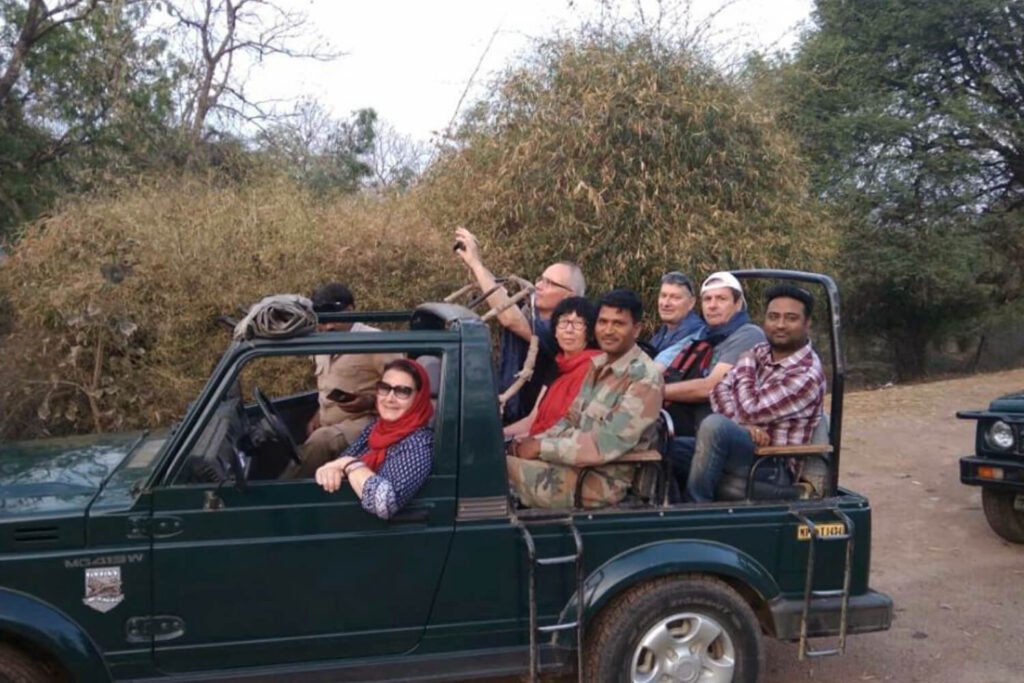
- A Panna jeep safari runs for three to three and a half hours across the reserve’s designated safari zones.
- The six-seater open Gypsy offers unobstructed views and agile handling across gorges, ridgelines, and dry stream beds.
- The Ken River gives Panna a landscape rare among central Indian reserves, with sandstone gorges, waterfalls, and gharial pools accessible from the safari track.
- Panna’s recovery story adds significance to every sighting, since the park rebuilt its entire tiger population from zero after 2009 through translocation and now supports over fifty individuals.
- The reserve holds UNESCO Biosphere Reserve status under the Man and Biosphere Programme (2020), the third site in Madhya Pradesh to receive that distinction.
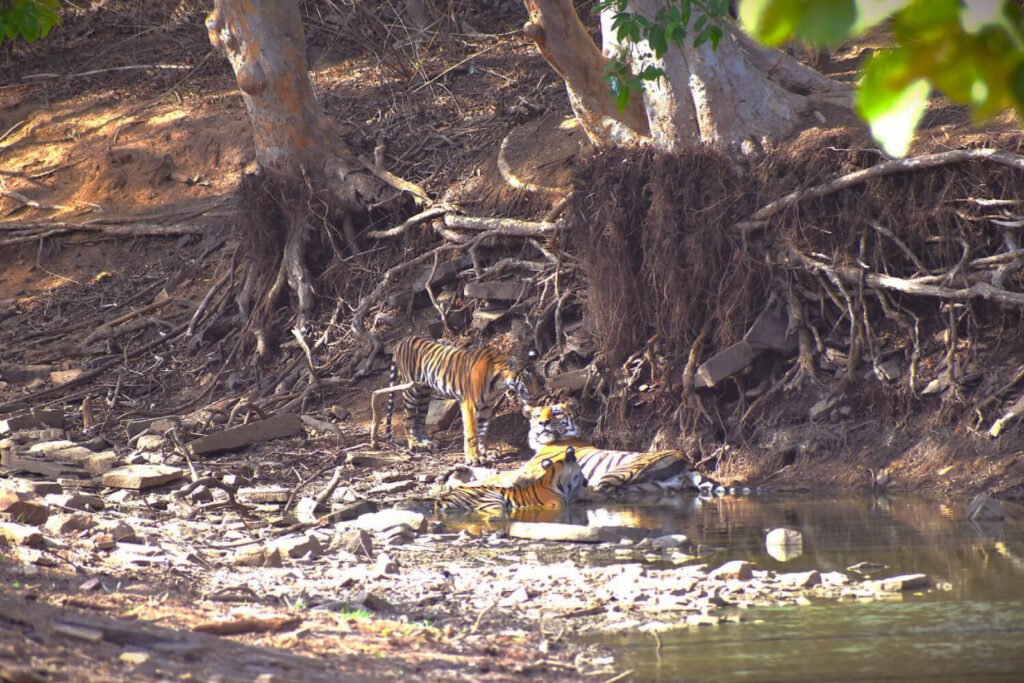
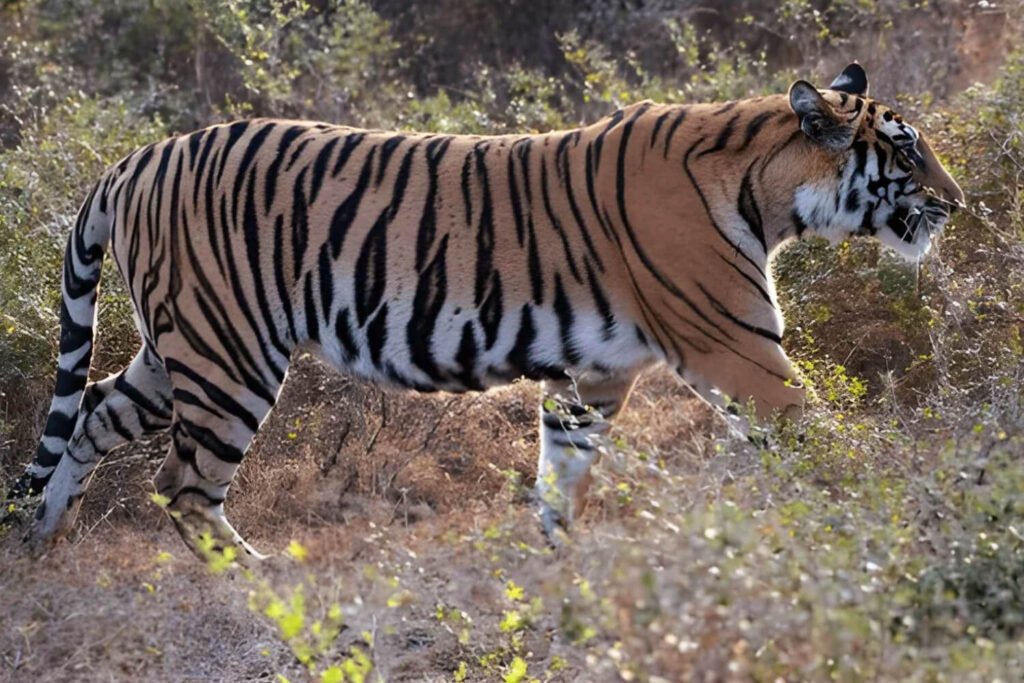
- Wildlife opportunities include tigers, leopards, sloth bears, gharials, marsh crocodiles, spotted deer, sambar, nilgai, chinkara, vultures, and a wide range of birdlife, subject to season and animal movement.
Popular Jeep Safari Zones in Panna
Panna Tiger Reserve is accessed through several gates, each opening into a distinct landscape. Zone allocation is decided at the time of booking or entry based on availability.
Madla Gate (Core Zone)
- Safari experience: The most popular entry point to Panna, with a strong track record of tiger sightings and steady wildlife activity across the drive.
- Landscape: Mixed deciduous forest, open plateau woodland, and stretches along the Ken River.
- Key wildlife: Tigers, leopards, sambar, spotted deer, nilgai, gharials, and marsh crocodiles.
- Best suited for: First-time visitors and tiger-focused travelers.
- Safari duration: 3 to 3.5 hours.
Hinauta Gate (Core Zone)
- Safari experience: A rockier, drier drive around thirty kilometers from Madla, known for leopard and sloth bear sightings and dramatic sandstone terrain.
- Landscape: Rocky escarpments, boulder-strewn hills, gorges, and seasonal waterfalls.
- Key wildlife: Leopards, sloth bears, tigers, chinkara, and cliff-nesting vultures.
- Best suited for: Photographers, repeat visitors, and travelers wanting varied wildlife beyond tigers.
- Safari duration: 3 to 3.5 hours.
Akola Gate (Core Zone)
- Safari experience: A quieter alternative to Madla and Hinauta, with fewer vehicles and its own share of sightings across the drive.
- Landscape: Mixed forest and open patches with rocky sections.
- Key wildlife: Tigers, leopards, sambar, spotted deer, and nilgai.
- Best suited for: Repeat visitors and travelers wanting a less crowded safari experience.
- Safari duration: 3 to 3.5 hours.
Jhinna Gate (Buffer Zone)
- Safari experience: A buffer-zone drive with fewer visitors and a more solitary safari character, rewarding patient wildlife tracking.
- Landscape: Buffer forest with mixed habitats and quieter tracks.
- Key wildlife: Tigers (increasing presence as the population disperses), leopards, sloth bears, and forest birds.
- Best suited for: Travelers wanting the least crowded safari experience in Panna.
- Safari duration: 3 to 3.5 hours.
Which Panna Jeep Safari Gate Should You Choose?
|
If Your Priority Is |
Consider |
|
Tiger sightings and a classic first-time safari |
Madla Gate |
|
Leopards, sloth bears, and rugged scenery |
Hinauta Gate |
|
Fewer vehicles and quieter drives |
Akola Gate |
|
Solitary buffer-zone experience |
Jhinna Gate |
|
Combining varied habitats |
Two safaris across different gates |
Tip: Distances between gates matter for scheduling. Madla to Akola is roughly forty-five minutes by road, so combining two gates in one day needs careful planning around safari timings.
Wildlife You Can Spot During a Jeep Safari
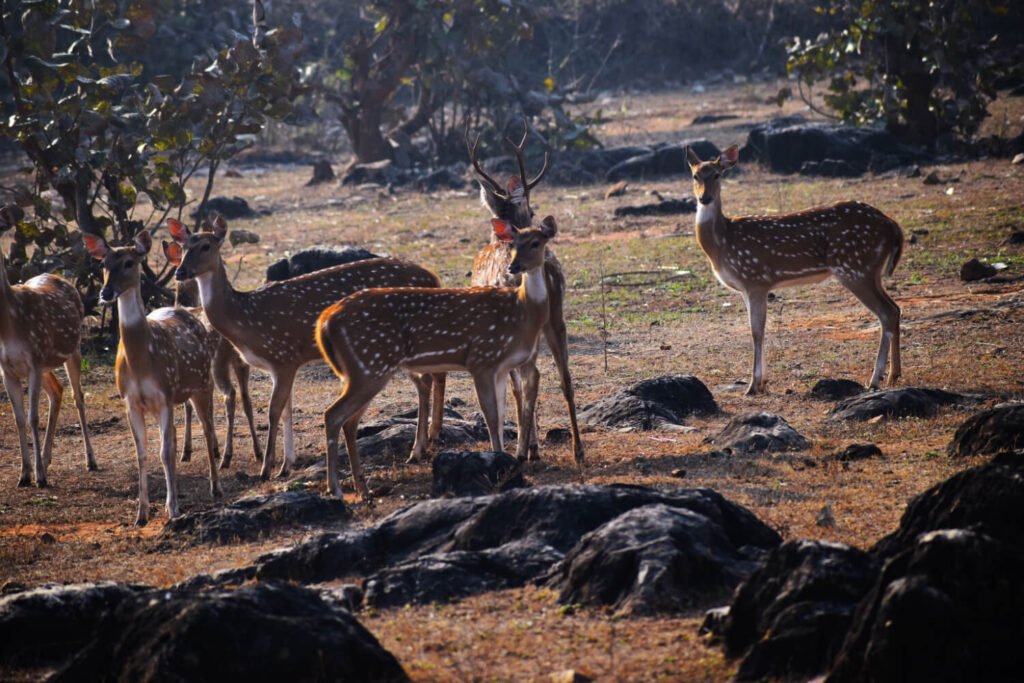
|
Mammals |
Birds |
Reptiles & Amphibians |
|
Royal Bengal Tiger |
King Vulture |
Gharial |
|
Leopard |
Long-billed Vulture |
Marsh Crocodile |
|
Sloth Bear |
Crested Serpent Eagle |
Indian Rock Python |
|
Sambar, Spotted Deer, Nilgai |
Paradise Flycatcher |
Monitor Lizard |
|
Chinkara, Wild Boar |
Bar-headed Goose |
Indian Cobra |
Important: Panna is a wild habitat, so animal sightings are never guaranteed. The species you encounter can vary according to season, weather, water levels, vegetation, time of day, and animal movement.
Panna Jeep Safari Timings
|
Safari |
Timings |
Safari Duration |
Operating Season |
|
Morning Jeep Safari |
6:00 AM to 10:30 AM (varies by season) |
3 to 3.5 Hours |
October to June |
|
Afternoon Jeep Safari |
2:30 PM to 6:00 PM (varies by season) |
3 to 3.5 Hours |
October to June |
Timings shift with the season, starting earlier in summer (April to June) and later in winter (October to February).
Other important details:
- Vehicle capacity: Maximum 6 persons per Gypsy safari.
- Safari duration: 3 to 3.5 hours.
How to Book a Jeep Safari in Panna: Step by Step
- Select your preferred safari gate (Madla, Hinauta, Akola, or Jhinna) based on your interests and preferred landscape.
- Select your preferred safari date and time from the available morning or afternoon slots.
- Enter the required passenger details, including name, mobile number, gender, age, and other information requested during booking.
- Provide valid identification details for each visitor. Indian visitors can use accepted identification such as Aadhaar, Voter ID, or PAN card. Foreign visitors require a valid passport.
- Complete the advance payment required to confirm the safari reservation.
- Carry the same original identification document used during booking and present it at the time of entry.
Best Time to Visit Panna for a Jeep Safari
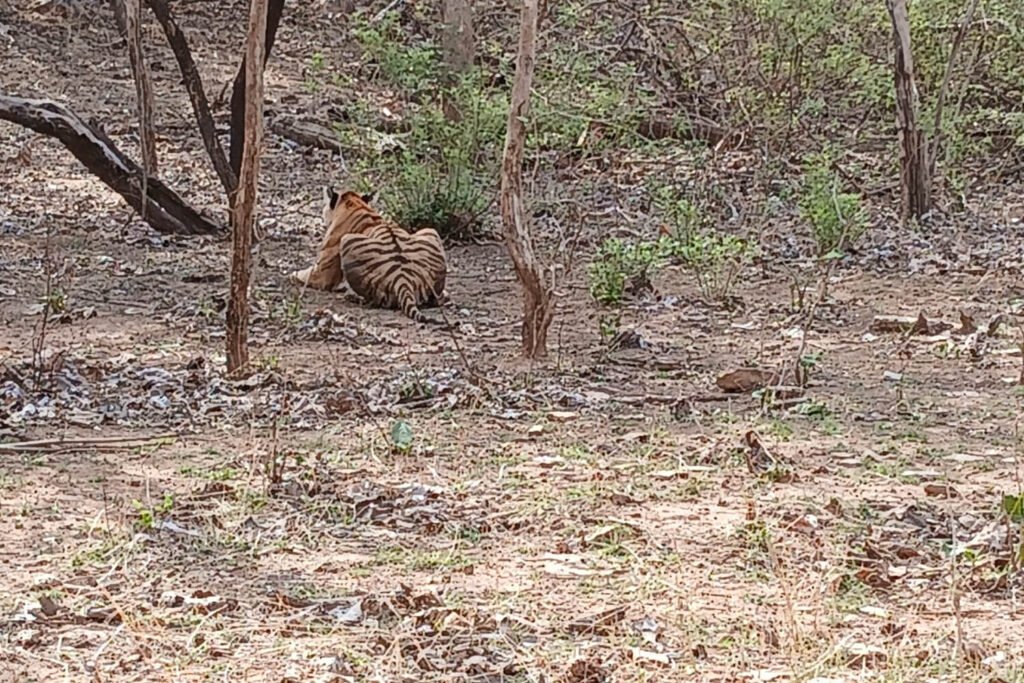
- Winter (October to February): The peak season, with cool, pleasant weather, clear visibility, and steady wildlife activity across the reserve. Ideal for first-time visitors and photography.
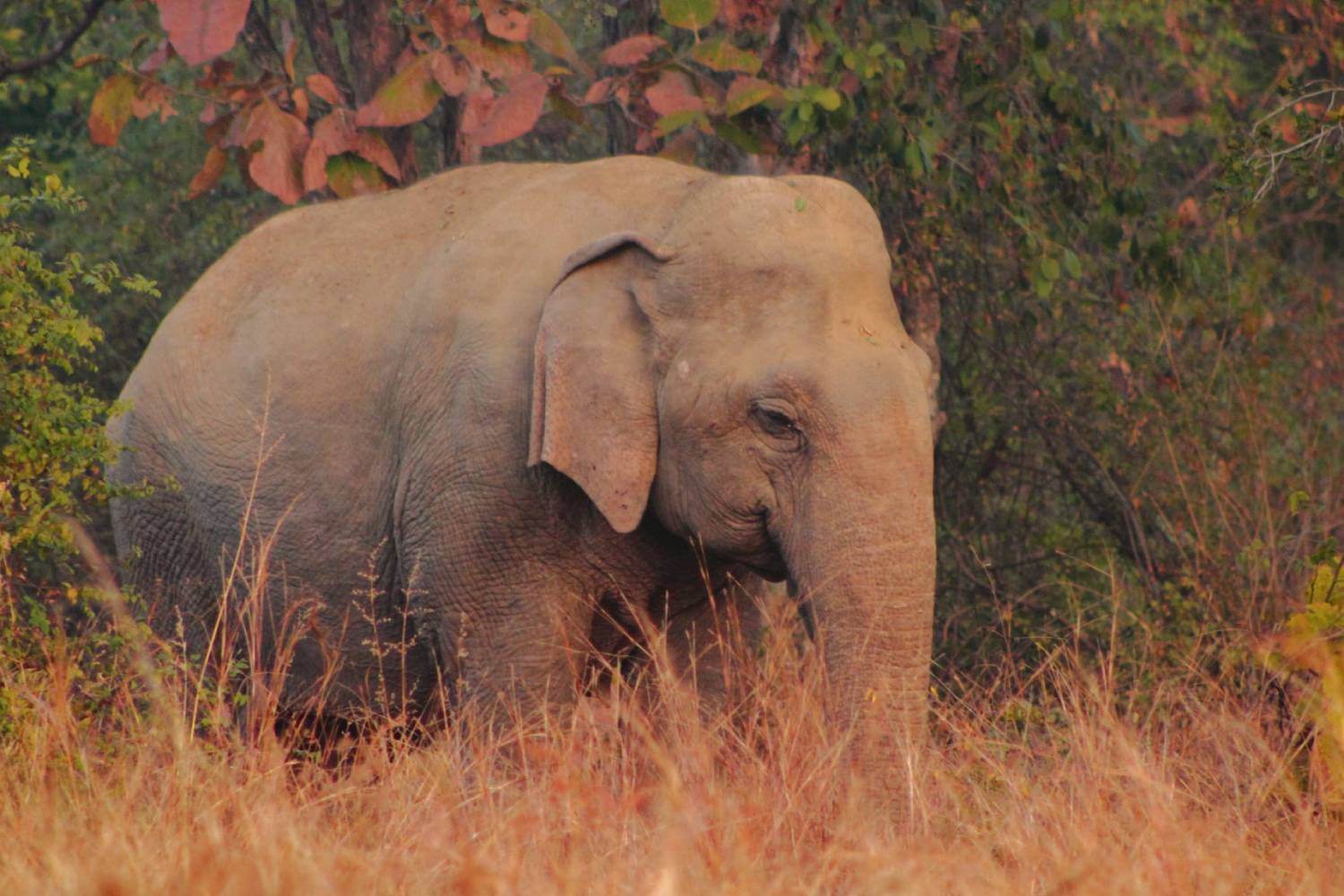
- Summer (March to June): Temperatures climb into the forties, pushing wildlife toward the Ken River and remaining water sources. Sighting odds can improve, though afternoon drives become uncomfortable.
- Monsoon (July to September): The core zones close for the monsoon and breeding season, reopening once the forest has regenerated. Selected buffer areas may operate in limited capacity, subject to weather and access conditions.
What to Expect on a Panna Jeep Safari?
- Before the Safari: Report at the designated gate 30 to 45 minutes before the slot time. Allow time for entry verification, vehicle allocation, and ID checks.
- During the Safari: Expect a bumpy ride across rocky, unpaved tracks. The guide will scan the terrain constantly and stop the vehicle when wildlife is spotted. Silence and stillness are expected around animals.
- After the Safari: The jeep returns to the designated exit point at the end of the slot. Expect a dusty ride, particularly in the drier months. If satisfied with the service, you may choose to tip your guide and driver.
What to Carry for a Panna Jeep Safari?
- Valid original ID proof (mandatory for gate entry).
- Muted, neutral clothing in beige, olive, grey, or khaki. Avoid bright colors and white.
- A hat, sunglasses, and sunscreen for exposure protection.
- Warm layers or a light jacket for winter mornings (November to February).
- Binoculars for birdwatching and distant sightings across gorges and the Ken River.
- A camera with a 100 to 400mm zoom lens for wildlife photography.
- A reusable water bottle and light snacks.
- A scarf or face covering for dust protection on dry tracks.
Tips for a Better Panna Jeep Safari
- Wear muted, neutral colors and avoid anything bright or reflective.
- Keep voices low when the jeep stops near wildlife.
- Avoid unnecessary noise, sudden movements, and flash photography.
- Do not attempt to attract, feed, or provoke wildlife for photographs.
- Combine two safaris across different gates for varied habitats and sighting opportunities.
- Keep camera settings adjusted for low light before the safari starts, since sighting windows are often brief.
- Use a telephoto lens in the 100 to 400mm range to cover most sighting distances comfortably.
- Follow your guide’s advice on how the vehicle approaches a sighting. The guide and driver decide the approach.
- Mobile phone use is generally restricted during the safari itself.
Combine Your Jeep Safari with Other Panna Experiences
- Boat Safari on the Ken River: A ride along the Ken offers a different vantage point, with gharials, marsh crocodiles, and river birdlife visible from the water.
- Pandav Falls: A seasonal waterfall set within the buffer area, worth pairing with a Madla-gate safari.
- Raneh Falls: A striking canyon and waterfall system along the Ken River, close to the park boundary.
- Khajuraho Temple Complex: The UNESCO-listed temple site sits roughly 25 kilometers from the park and is the region’s most visited cultural landmark.
- Birdwatching: Explore Panna’s cliffs and river edges for over 300 recorded bird species, including King Vultures and Long-billed Vultures.
- Village and Local Experiences: Guided visits to nearby villages offer a look at rural life along the park’s boundary.
Also Read:
- Amazing Facts About Madhya Pradesh Wildlife
- 10 Reasons to Visit Madhya Pradesh
- Wildlife and Tiger Conservation Efforts by Madhya Pradesh: Achievements and Failures
- How Panna National Park Got Its Tigers Back And Became The Best Tiger Safari Destination In Madhya Pradesh
- Panna National Park Safari Booking Information
Frequently Asked Questions
Q: How long does a jeep safari in Panna last?
Ans: Each safari runs for approximately three to three and a half hours, covering a single designated zone within that window.
Q: How many people can fit in one jeep in Panna?
Ans: A Panna Gypsy safari accommodates a maximum of 6 persons per vehicle, subject to current safari regulations.
Q: Is advance booking required for a Panna jeep safari?
Ans: Advance booking is strongly recommended, particularly across the peak season from October to March, since permits are allocated on a first-come basis and popular gates fill quickly.
Q: Is Panna suitable for a short trip from Khajuraho?
Ans: Yes. Khajuraho sits roughly 25 kilometers from the park, and many visitors treat Panna as a day trip, particularly for a single safari through Madla Gate. Staying closer to the park allows for both a morning and evening drive.
Q: Which gate should I choose for a Panna jeep safari?
Ans: Madla Gate offers the strongest general track record for tiger sightings, while Hinauta suits visitors more interested in leopards, sloth bears, and rugged sandstone scenery.
Q: How much does a jeep safari in Panna cost?
Ans: Panna jeep safari prices vary by gate and visitor category. Rates and inclusions can change based on current booking regulations, so confirm the applicable rate before making a reservation.
Q: What is the best time of year to visit Panna for a safari?
Ans: Winter (October to February) is the most popular season for its comfortable weather and steady wildlife activity. Summer (March to June) offers stronger sighting odds around the Ken River, though temperatures are high. The core zones close during the monsoon (July to September).


 Share
Share Home
Home Call Us
 Book Now